200 Years of Tech Panics: From Bicycles to A.I.
Course Outline
200 Years of Tech Panics: From Bicycles to A.I.
Every breakthrough—bicycles, cars, radios, smartphones—has triggered headlines about lost jobs and ruined morals. Today, artificial intelligence is in the hot seat. In this kickoff to The AI Mindset series, we sprint through two centuries of "future shock," showing why fear fades but progress sticks.
In this video you’ll learn:
- How century‑old newspaper rants sound exactly like today’s AI debates
- Why nonstop "job destroying" innovation hasn’t led to universal unemployment
- The archaic jobs that vanished and the new careers that rose in their place (farewell knocker-uppers; hello alarm clock factory workers)
Teacher Resources
Related to this video

Transcript
Pop quiz! What invention is this historical quote referring to?
"In the future years, it will be found that the [beep] has had a permanent effect upon the morals of our age. Go into our homes, and you will see that father and mother and brother and sister bow in subjection to the [beep]."
Any guesses? The radio, TV, video games? The smartphone? Wrong! Who guessed the teddy bear?
While it might seem silly to fret over a "fuzzy, stupid stuffed animal" and to call a teddy bear "a horrid little beast" -- it's not out of the norm at all. New inventions are a continual source of fear.
What about perfectly innocent inventions like bicycles?
"The bicycle is the devil's advance agent, morally and physically, in thousands of instances."
Wow! Bicycles were the work of the devil? Wonder what people thought about the invention of cars?
"Motoring is one of the most contemptible, soul-destroying, and devitalizing pursuits."
In England, fears of these horseless carriages led to a speed limit of just 4 mph, with a person walking ahead waving a red flag to warn bystanders.
Every significant invention caused a moral panic in its time: radio, electricity, TV, Internet, smartphones, and, yes, even books!
Socrates was not a fan. "Books will create forgetfulness in the learners' souls because they will not use their memories."
What about artificial intelligence? It's normal and natural to see AI and fear how it might change society. It has the potential of a civilizational destruction.
However, if history is any guide, we have little hope of accurately predicting anything about its impact.
You might say, forget the moral panic, what about jobs? Shouldn't we be scared of being replaced by AI? Certainly, new technologies will take some jobs, just as they have in the past.
Ever heard of the job "knocker-upper"? It's not what it sounds like! During the Industrial Revolution, it was someone's job to go door to door and wake people up. So roosters were replaced by knocker-uppers, who were replaced by alarm clocks, which were replaced by cell phones, which will probably eventually be replaced by something else.
Many of the voices you've heard in this video aren't people, but AI-generated. "Hi. I'm Hal." "I'm Samantha." "My name is Rachael."
Don't worry, I'm a real human and still have a job... "For now!" Oh, boy!
But knocker-upper is one job. What does the data say about the overall trends in job loss? Here's the unemployment rate and labor force participation rate in the United States since 1950. Despite all the technological advancements of the past century, labor force participation has remained steady and unemployment hasn't shot up. Why? Technology destroys, but it also creates.
Knocker-uppers might be out of a job, but there were plenty of new jobs created for designing, manufacturing, marketing, and distributing alarm clocks.
Think of all the career opportunities that didn't exist a decade ago.
So should we be worried about technology? At the individual level, maybe. Depending on your job, you could be the next knocker-upper, switchboard operator, or voiceover actor. Wait, what? Come on! "Okay. Cut!"
While AI might replace some voiceover actors, at a societal level, history suggests that we will see both jobs lost and new jobs created, many of which we can't even imagine.
But could this time be different? We'll explore this question in future videos. But if history is any guide, the terminators we fear will turn out to be teddy bears.
If you're a teacher, you should check out our free unit plan that uses this video. If you're a student, visit the links in the description for more resources on how to use AI to learn. Or if you're just curious to watch more videos like this, check out this playlist.
Subtitles
- English
- Spanish
- Chinese
Thanks to our awesome community of subtitle contributors, individual videos in this course might have additional languages. More info below on how to see which languages are available (and how to contribute more!).
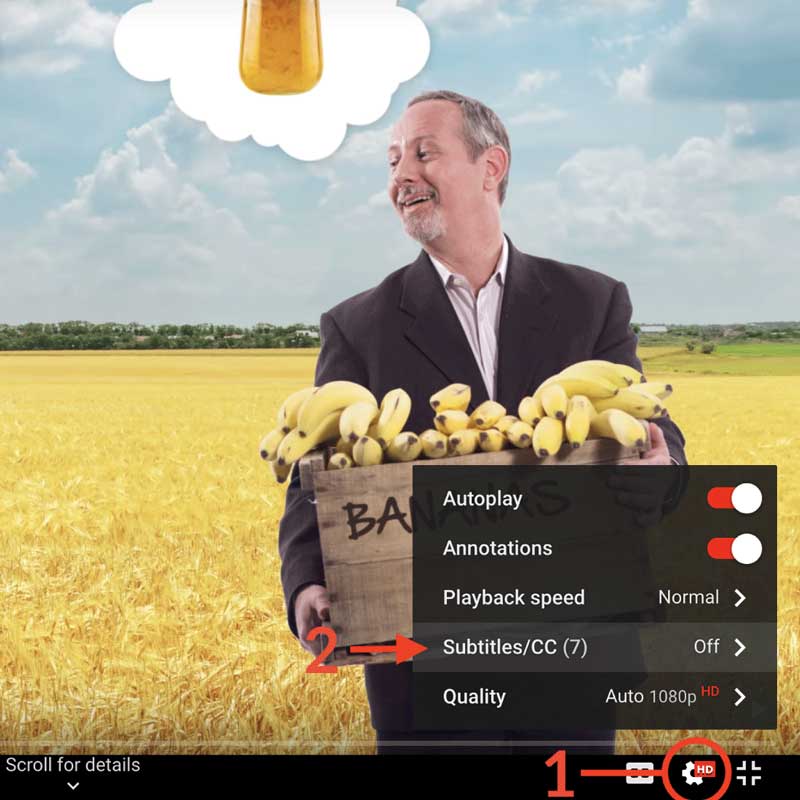
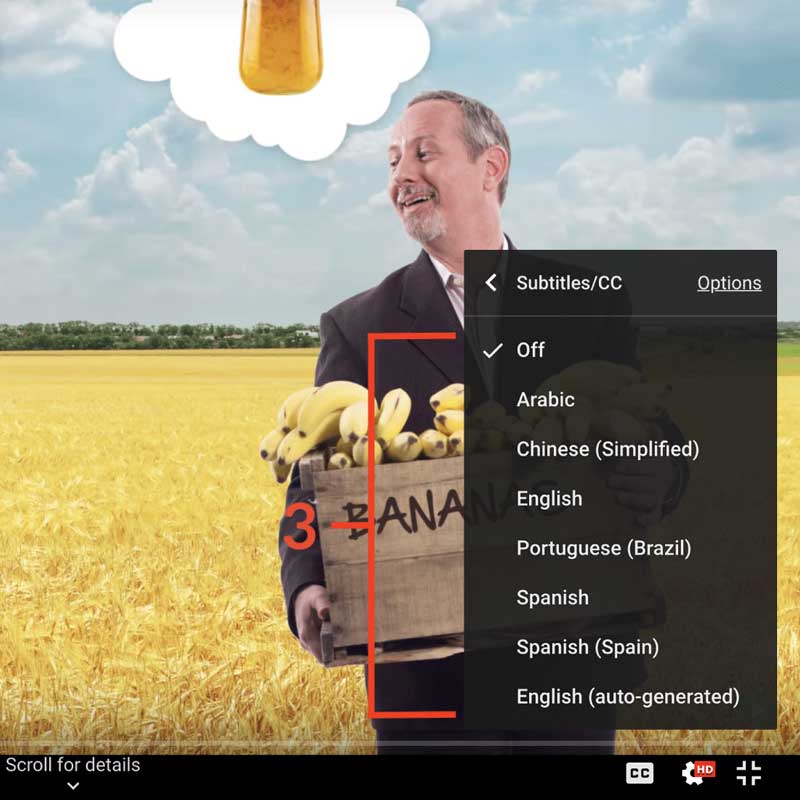
How to turn on captions and select a language:
- Click the settings icon (⚙) at the bottom of the video screen.
- Click Subtitles/CC.
- Select a language.
Contribute Translations!
Join the team and help us provide world-class economics education to everyone, everywhere for free! You can also reach out to us at [email protected] for more info.
Submit subtitles
Accessibility
We aim to make our content accessible to users around the world with varying needs and circumstances.
Currently we provide:
- A website built to the W3C Web Accessibility standards
- Subtitles and transcripts for our most popular content
- Video files for download
Are we missing something? Please let us know at [email protected]
Creative Commons

This work is licensed under a Creative Commons Attribution-NoDerivatives 4.0 International License.
The third party material as seen in this video is subject to third party copyright and is used here pursuant
to the fair use doctrine as stipulated in Section 107 of the Copyright Act. We grant no rights and make no
warranties with regard to the third party material depicted in the video and your use of this video may
require additional clearances and licenses. We advise consulting with clearance counsel before relying
on the fair use doctrine.