When Photography 'Killed' Painting
Course Outline
When Photography 'Killed' Painting
In 1838, a camera for the first time captured a blurry, grainy human image. Within a generation, photography had matured. Every city had photo studios where ordinary people could afford a professional portrait. Painters panicked. The new technology seemed poised to kill off portraiture, a mainstay of their business. But painting didn’t die–it evolved into new forms, giving us an entirely new universe of visual storytelling, on both canvas and film.
What does that creative Cambrian explosion tell us about the AI era that’s now unfolding?
In this finale to the AI Mindset series you’ll explore:
- The birth of portrait photography
- How competition from photography revolutionized painting
- The unpredictable web of innovation that sprang from the first crude cameras
Teacher Resources
Related to this video

Transcript
Paris, 1838. The streets buzz with activity as you pause for a shoeshine. The painfully slow process tries your patience. Finally finished, you hurry away, not realizing you just made history as the first person ever photographed.
Though the streets teemed with people, the photograph shows only you and the shoeshiner. When photography was invented, the first cameras had long exposure times. It could take 15 minutes to record a scene. So if you weren't still, you'd come out blurry or not show up at all. The slowness of the shoeshine is what allowed the first humans to be recorded, leaving the impression that they were alone in a bustling city.
Over the subsequent years, improvements in lenses and photographic plate chemistry reduced exposure times from minutes to seconds, making portrait photography practical. When the French painter Paul Delaroche first saw a photograph, he reportedly exclaimed, "From today, painting is dead." He wasn't alone. Painters were panicked. Painting portraits was how many made their living. Customers no longer needed to spend a lot of money to commission a portrait.
The fears about photography were not unfounded. Many portrait painters indeed saw declining business. But like all new technology, photography also created new jobs. Photography studios sprang up in cities all over the world. Now, everyday people—shoeshiners, sailors, sweethearts—could afford at least one portrait of themselves.
While photography was booming, what happened to the dying art of painting? Here are some of the most famous paintings from before the camera was invented and after.
Yes, the camera disrupted the livelihoods of many traditional artists, but it also sparked a revolution in art. Painters like Monet, Degas, and Renoir explored new frontiers, capturing elements that photos couldn't—movement, emotion, and the play of light and color.
While traditional painters had strived for accuracy, this new wave of artists, dubbed Impressionists, sought to capture the essence of a scene rather than its details. The Impressionists inspired generations of artists to experiment with increasingly abstract forms of visual expression.
That's the delicious irony of innovation. We worry about what might go away while completely missing what's about to be born. Someone from the 1830s couldn't imagine the rise of Impressionist painting, much less the countless branches of innovation the camera would spawn.
Cameras will peek inside human bodies, gaze at distant galaxies, and document every sandwich ever made. It will enable cars that drive themselves and teenagers that photograph themselves. And it will lead to something called movies.
Who could imagine this single invention would lead to dinosaurs resurrected on screen, superheroes soaring through skyscrapers, or galaxies far, far away? Live TV will turn sports into global religions and beam breaking news into billions of pockets. From grainy newsreels of Moon landings to viral videos of pandas, the flickering images from cameras will reshape how humanity tells its stories.
YouTube, video games, TikTok dances—all distant branches on a tree that starts right here. The fear about portrait painting jobs now seems charmingly minor as we look at the big picture.
Today, as we stand on the brink of artificial intelligence, we can only wonder, what new frontiers of human creativity and innovation will it enable? The only certainty is that the future will surprise us, just as it always has.
If you are a teacher, you should check out our free unit plan that uses this video. If you are a student, visit the links in the description for more resources on how to use AI to learn. Or if you are just curious to watch more videos like this, check out this playlist.
Subtitles
- English
- Spanish
- Chinese
Thanks to our awesome community of subtitle contributors, individual videos in this course might have additional languages. More info below on how to see which languages are available (and how to contribute more!).
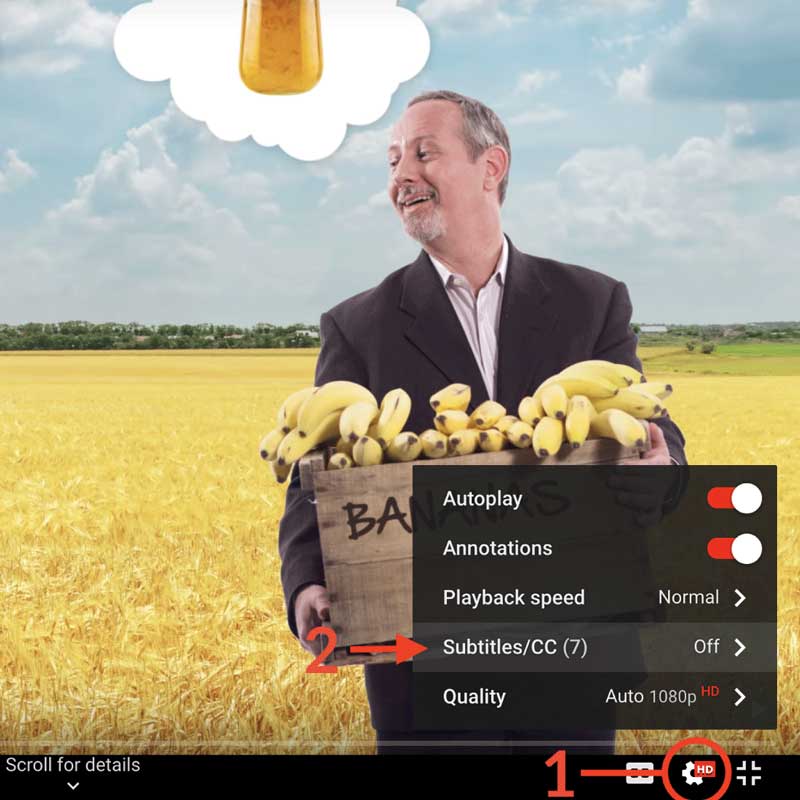
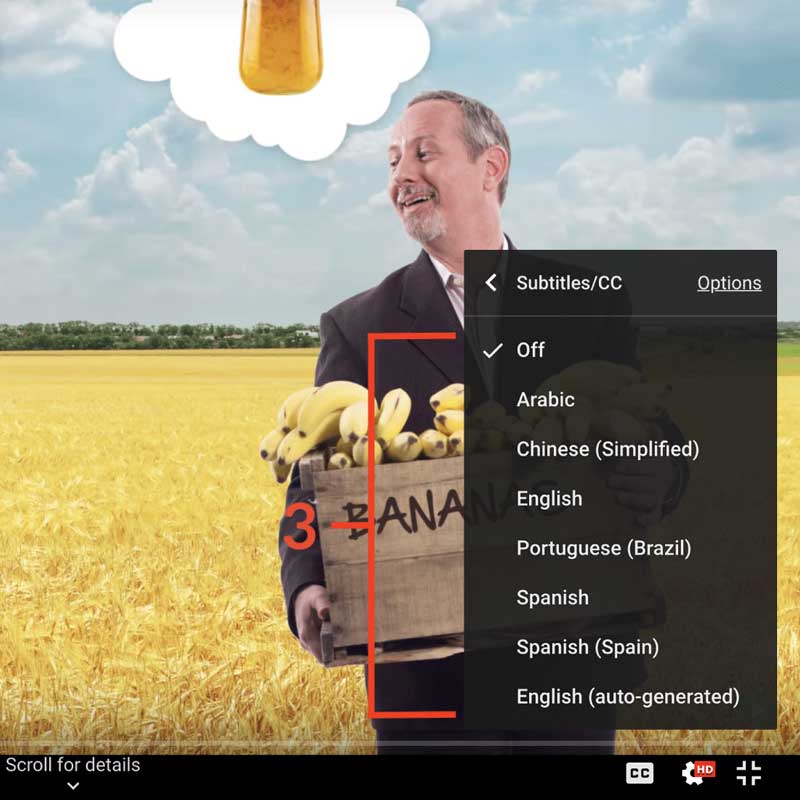
How to turn on captions and select a language:
- Click the settings icon (⚙) at the bottom of the video screen.
- Click Subtitles/CC.
- Select a language.
Contribute Translations!
Join the team and help us provide world-class economics education to everyone, everywhere for free! You can also reach out to us at [email protected] for more info.
Submit subtitles
Accessibility
We aim to make our content accessible to users around the world with varying needs and circumstances.
Currently we provide:
- A website built to the W3C Web Accessibility standards
- Subtitles and transcripts for our most popular content
- Video files for download
Are we missing something? Please let us know at [email protected]
Creative Commons

This work is licensed under a Creative Commons Attribution-NoDerivatives 4.0 International License.
The third party material as seen in this video is subject to third party copyright and is used here pursuant
to the fair use doctrine as stipulated in Section 107 of the Copyright Act. We grant no rights and make no
warranties with regard to the third party material depicted in the video and your use of this video may
require additional clearances and licenses. We advise consulting with clearance counsel before relying
on the fair use doctrine.