Elasticity of Supply: Do Gun Buybacks Work?
Course Outline
Elasticity of Supply: Do Gun Buybacks Work?
What happens when a new buyer enters a market with a perfectly elastic supply curve? A supply and demand graph tells the tale: the quantity sold increases, without impacting the equilibrium price.
Alex Tabarrok uses this elasticity model to explore the real-world effects of local gun buybacks in the US. They’re often presented as a means to reduce the number of firearms in a community–and thus, supporters argue, to reduce crime and accidents.
To an economist, these programs just temporarily add one new buyer (the police) for a good that’s available in practically unlimited quantities at the market price. They don’t change other buyers’ incentives and preferences. The perfectly elastic supply means that the only result is a few more sales at the market price.
Whether you think local gun buybacks are a good or bad policy, the economics of supply elasticity make it almost impossible for these programs to have an impact on firearm ownership.
Teacher Resources
Related to this video


Related to this course
See all Teacher Resources related to this course
Transcript
Local gun buybacks — they're popular throughout the United States. The city of Peekskill, New York, for example — they gave out gift cards to anyone who handed in guns: $200 for a handgun, $100 for a shotgun, and $25 for a non-working gun. Then the police — they had a photo op displaying all of the guns that they got off the streets.
Now whether or not you agree with the goals of these programs, we can ask, "Do they really work?" A concept from economics — the elasticity of supply — can help us to get an answer.
By some estimates, there are 400 million guns in the United States — more guns than there are people. And every year, millions of new guns are manufactured, and billions of guns, both new and used, are bought and sold. The market for guns is a big national market.
Now think about the supply of guns to a small city like Peekskill, New York. The demand for guns in Peekskill is so small, relative to the total supply of guns, that Peekskill residents can buy or sell as many guns as they want at the market price. In other words, the supply curve is perfectly elastic.
Now, there's nothing surprising here. The supply of all goods produced in a larger market to a small market is perfectly elastic. Residents of Peekskill — they can get all the gasoline, all the bread, all the automobiles that they want at the market price.
Now we can think about a gun buyback program as increasing the demand for guns in Peekskill, New York. New buyers, the police, have entered the market. Now here is the key point. Will the increase in the demand for guns in Peekskill — will it increase the price of guns in Peekskill? No. The supply of guns in Peekskill is perfectly elastic, so the price of guns won't increase. Instead, what will happen is that the quantity of guns supplied will increase.
Just like everyone else in Peekskill, the police can buy as many guns as they want at the market price. Remember, there are 400 million guns in the United States. It won't be hard to find a few hundred to sell to the police in Peekskill.
Yes, in the short run, there might be a temporary decline of guns in Peekskill, as a few people reach to the back of the closet and find that old revolver that no longer works, and they think, "Hey, this is an easy way to get an extra 25 bucks." But if the price is high enough, some people might even buy guns to resell them to the police. That's happened before.
In one extreme case, a Houston man 3D printed guns for $3 each and turned them in at a buyback where the city paid him $50 per gun. It's like trying to reduce the level of water in one end of a big pool. It works temporarily, but it's very temporary.
If the price of guns in Peekskill doesn't rise, then nothing fundamental has changed in the market for guns. Since the price hasn't changed, the quantity demanded doesn't change. In other words, we don't move along the demand curve, and nothing has shifted the demand curve of gun buyers. They still have the same tastes and the same reasons to buy guns as before, so the demand for guns doesn't shift. Simply put, the gun buyback program has no effect on the behavior of gun buyers.
Now, elsewhere in the world, such as Australia, gun buyback programs have been combined with laws making owning guns illegal. Now in these cases, a buyback program can get guns off the street because it combines a buyback with an inelastic supply of guns.
But a local buyback, in a country where guns are still legal and are being bought and sold in the millions — that isn't going to reduce the number of guns on the street. And the fundamental reason is because the supply of guns to a city is perfectly elastic. Gun buybacks — they're good for a photo op, but not much else.
But you know what is good? Practice questions. You can test your understanding of elasticity here. We also have test banks and lesson plans for economics teachers. Or, if you're ready for more microeconomics, click for the next video.
Subtitles
- English
- Spanish
- Chinese
- Hindi
- French
- Arabic
Thanks to our awesome community of subtitle contributors, individual videos in this course might have additional languages. More info below on how to see which languages are available (and how to contribute more!).
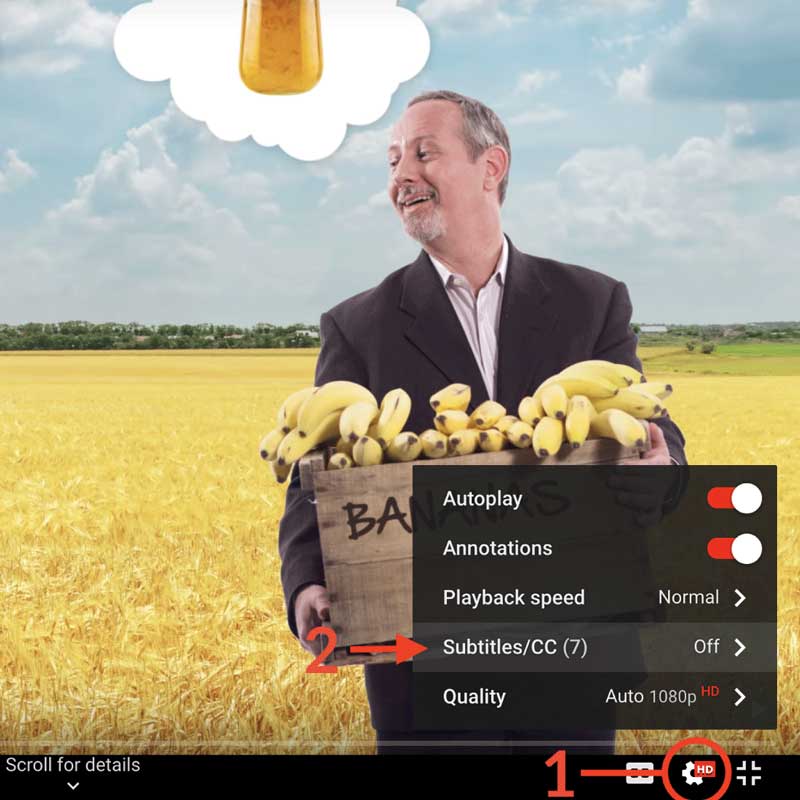
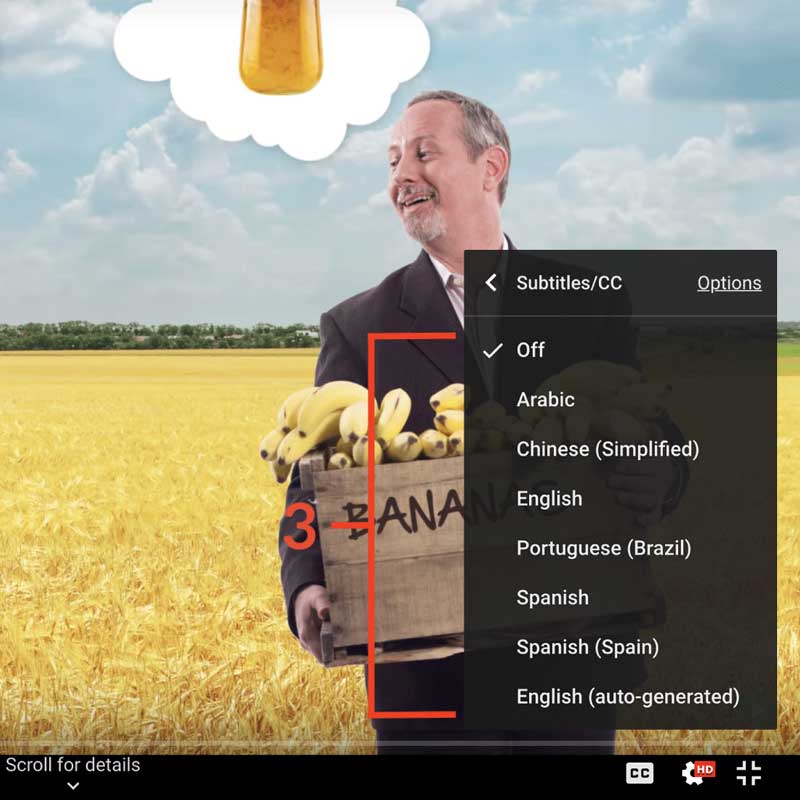
How to turn on captions and select a language:
- Click the settings icon (⚙) at the bottom of the video screen.
- Click Subtitles/CC.
- Select a language.
Contribute Translations!
Join the team and help us provide world-class economics education to everyone, everywhere for free! You can also reach out to us at [email protected] for more info.
Submit subtitles
Accessibility
We aim to make our content accessible to users around the world with varying needs and circumstances.
Currently we provide:
- A website built to the W3C Web Accessibility standards
- Subtitles and transcripts for our most popular content
- Video files for download
Are we missing something? Please let us know at [email protected]
Creative Commons

This work is licensed under a Creative Commons Attribution-NoDerivatives 4.0 International License.
The third party material as seen in this video is subject to third party copyright and is used here pursuant
to the fair use doctrine as stipulated in Section 107 of the Copyright Act. We grant no rights and make no
warranties with regard to the third party material depicted in the video and your use of this video may
require additional clearances and licenses. We advise consulting with clearance counsel before relying
on the fair use doctrine.